Understanding the cultural significance of gambling across different societies
Gambling is a practice that dates back thousands of years, tracing its roots to ancient civilizations such as China, Egypt, and Greece. In these cultures, games of chance were not merely seen as entertainment; they often held deep spiritual and social significance. For example, ancient Chinese dice games were integral to rituals, while Roman gladiatorial contests sometimes involved betting as a way to engage the populace. This rich history illustrates how gambling has evolved from a simple pastime into a complex cultural phenomenon, including options like casino online australia.
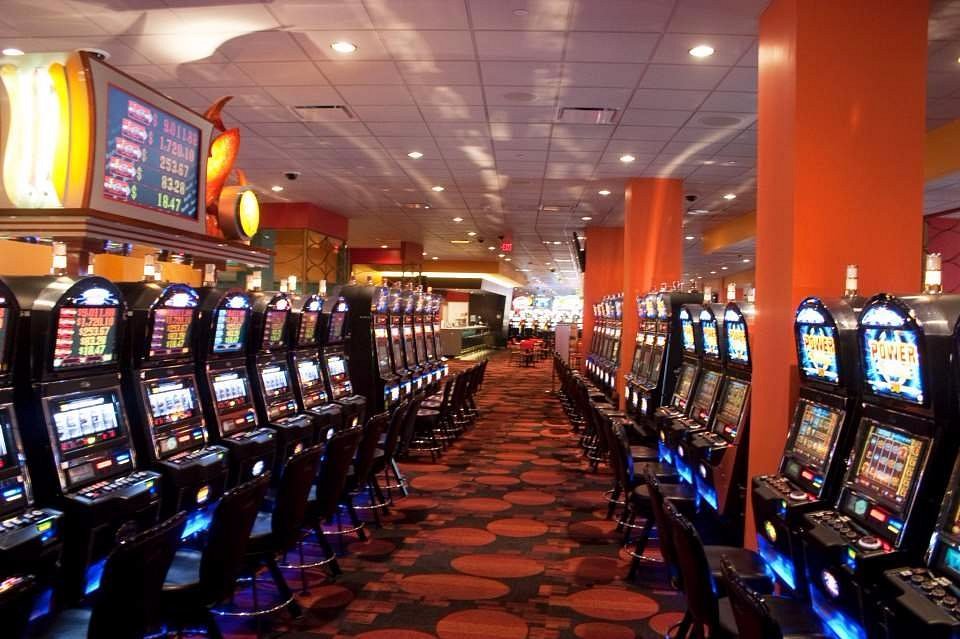
In addition to spiritual ties, gambling has played a vital role in the economy of many societies. The establishment of betting houses and casinos has often contributed to local economies by providing jobs and stimulating tourism. Ancient Rome had its betting games in public forums, and today’s casinos echo this tradition, functioning as social hubs that attract diverse groups. This continuity suggests that gambling serves not only as a leisure activity but also as a vehicle for community interaction.
Moreover, different societies have developed unique games and betting systems reflective of their cultural values. For instance, the lottery system in England originated from royal favor, while Native American tribes have created their own gaming establishments to exercise sovereignty and promote cultural identity. These variations highlight how gambling practices can mirror the distinctive aspects of a society’s historical journey and social fabric.
Gambling frequently serves as a social connector, uniting individuals from various backgrounds through shared experiences. In many cultures, community gatherings centered around games of chance foster friendships and strengthen social bonds. For instance, poker nights or community lottery draws in the United States can draw neighbors together, creating an informal social network. This communal aspect reinforces the idea that gambling can be more than just a financial endeavor; it can also serve as a platform for social interaction.
Moreover, gambling events often take place during significant cultural celebrations, further intertwining the practice with community identity. In Australia, the Melbourne Cup is not just a horse race; it’s a national event where people come together to place bets, celebrate, and enjoy festivities. Such events illustrate how gambling has the potential to enhance social cohesion, marking important moments in cultural calendars and offering a sense of belonging among participants.
In contrast, while gambling can unify, it can also lead to conflict. Families and communities may face challenges related to gambling addiction and financial strain, which can strain relationships and social harmony. As a result, discussions about the balance between community engagement and the risks associated with gambling are essential, reflecting a nuanced understanding of its social implications.
Cultural attitudes toward gambling vary widely across societies, often influenced by historical, religious, and social factors. In some cultures, such as in parts of Asia, gambling is deeply ingrained in tradition and is often associated with luck and fortune. Festivals celebrating games of chance can be a rite of passage, underscoring its positive connotations within that cultural framework. For example, Chinese New Year celebrations often include gambling games like Mahjong, which are believed to bring prosperity for the coming year.
Conversely, other cultures view gambling more skeptically, associating it with moral decay and societal issues. In many Islamic cultures, for instance, gambling is prohibited due to religious beliefs that view it as exploitative and sinful. This divergence in perceptions underlines how cultural narratives shape the way gambling is practiced and accepted within different societies.
Furthermore, the rise of online gambling platforms has introduced new dynamics into cultural perceptions of betting. Many traditional viewpoints are being challenged as more people engage with gambling through digital means, leading to a re-evaluation of its place in society. As discussions around legality, ethics, and social responsibility unfold, the cultural significance of gambling continues to evolve, adapting to modern contexts while retaining its historical roots.
The psychology of gambling plays a crucial role in understanding its cultural significance. Many people engage in gambling not just for financial gain, but also for the thrill and excitement that it brings. The concept of risk and reward can trigger psychological responses that lead to a heightened sense of euphoria and social engagement. This psychological aspect often explains why gambling transcends mere entertainment and becomes intertwined with cultural identity and community bonds.
Research has shown that the act of gambling can stimulate the release of dopamine, creating feelings of pleasure and reinforcing the behavior. In cultures where gambling is a communal activity, this collective experience can amplify the excitement, making it not only a personal endeavor but also a shared one. Consequently, this shared psychological experience further cements gambling as an essential aspect of cultural interactions.
However, it’s essential to recognize the darker side of this psychological impact. Gambling addiction poses significant risks to individuals and communities, leading to financial hardships and strained relationships. Cultures that embrace gambling must also find ways to address these issues, promoting responsible gambling practices and providing support for those affected by addiction. This balance is critical to ensuring that gambling retains its positive cultural significance while mitigating its potential harms.
The advent of the internet has transformed the gambling landscape, making it more accessible than ever. Online casinos and betting platforms have allowed individuals to engage in gambling from the comfort of their homes, breaking down geographical barriers. This shift has significant cultural implications, as more people are exposed to various gambling practices and games from different cultures, promoting a global gambling community.
While the accessibility of online gambling has opened new avenues for entertainment, it has also sparked discussions about regulation and ethical considerations. Many countries are grappling with how to approach online gambling, balancing the potential economic benefits with the need to protect vulnerable populations. This tension reveals the complexity of gambling’s role in modern society, where traditional practices meet contemporary challenges.
Furthermore, the influence of technology extends beyond mere accessibility; it also affects how gambling is perceived culturally. Gamification, for instance, has introduced new dimensions to online gambling experiences, creating engaging platforms that attract younger audiences. These developments raise important questions about the future of gambling, as cultural attitudes continue to evolve in response to technological advancements and changing societal norms.
Understanding the cultural significance of gambling across different societies requires a multifaceted approach. As we delve into the historical, social, psychological, and modern contexts of gambling, it becomes clear that this activity is deeply embedded in human culture. From ancient rituals to contemporary online platforms, gambling continues to evolve, influencing social structures and individual behaviors alike.
Our website provides a wealth of information and resources for those interested in the cultural aspects of gambling. Through in-depth articles, expert analyses, and community discussions, we aim to foster a comprehensive understanding of how gambling shapes and is shaped by cultural contexts. Whether you are a scholar, a practitioner, or simply someone intrigued by gambling culture, we offer valuable insights into this fascinating topic.


Spaces Successfully Delivered

Transforming Real Estate in Thane

Happy Family Members